Activision: ”Fusk-industrin i Call of Duty omsätter miljarder varje år”
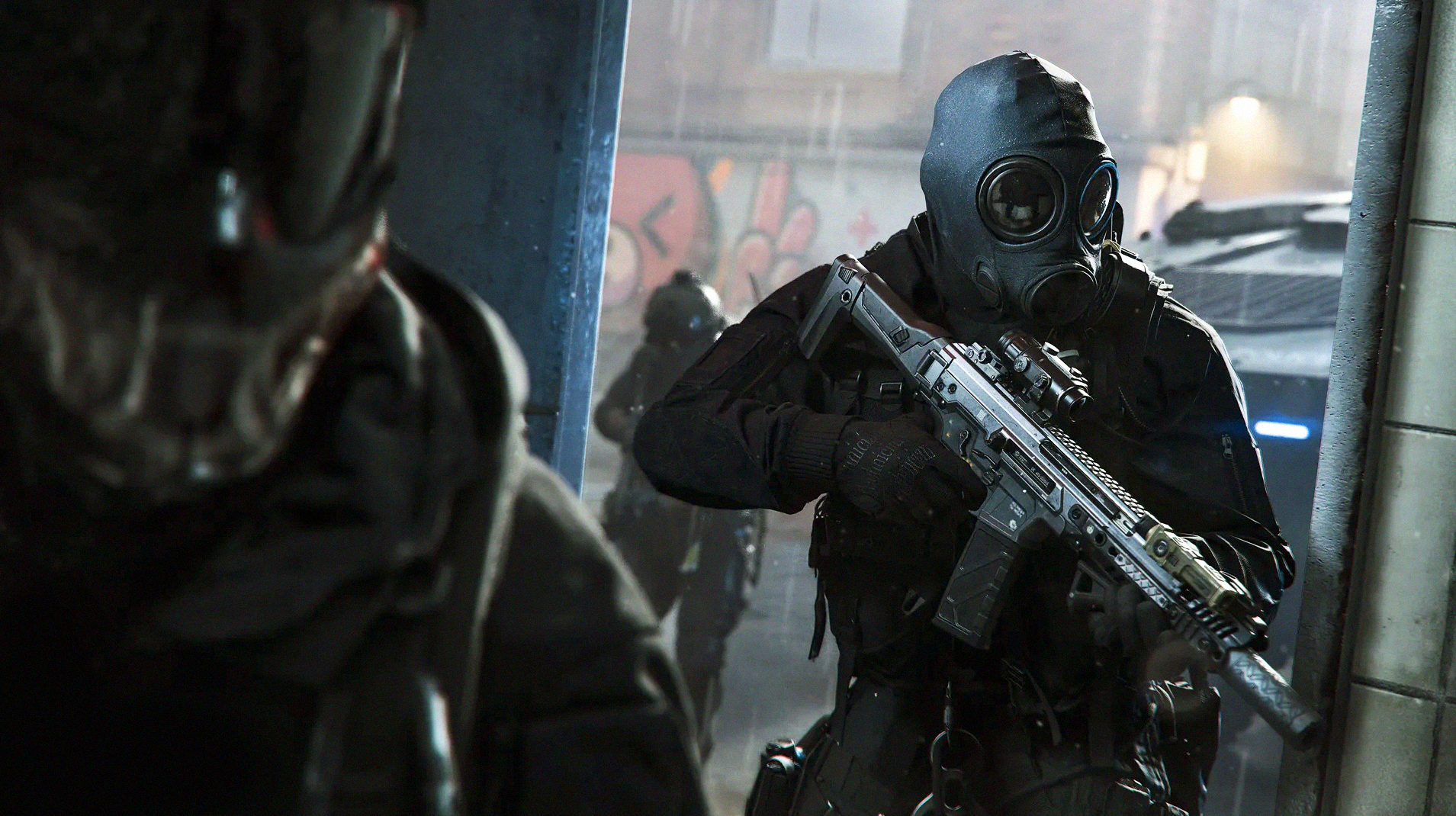
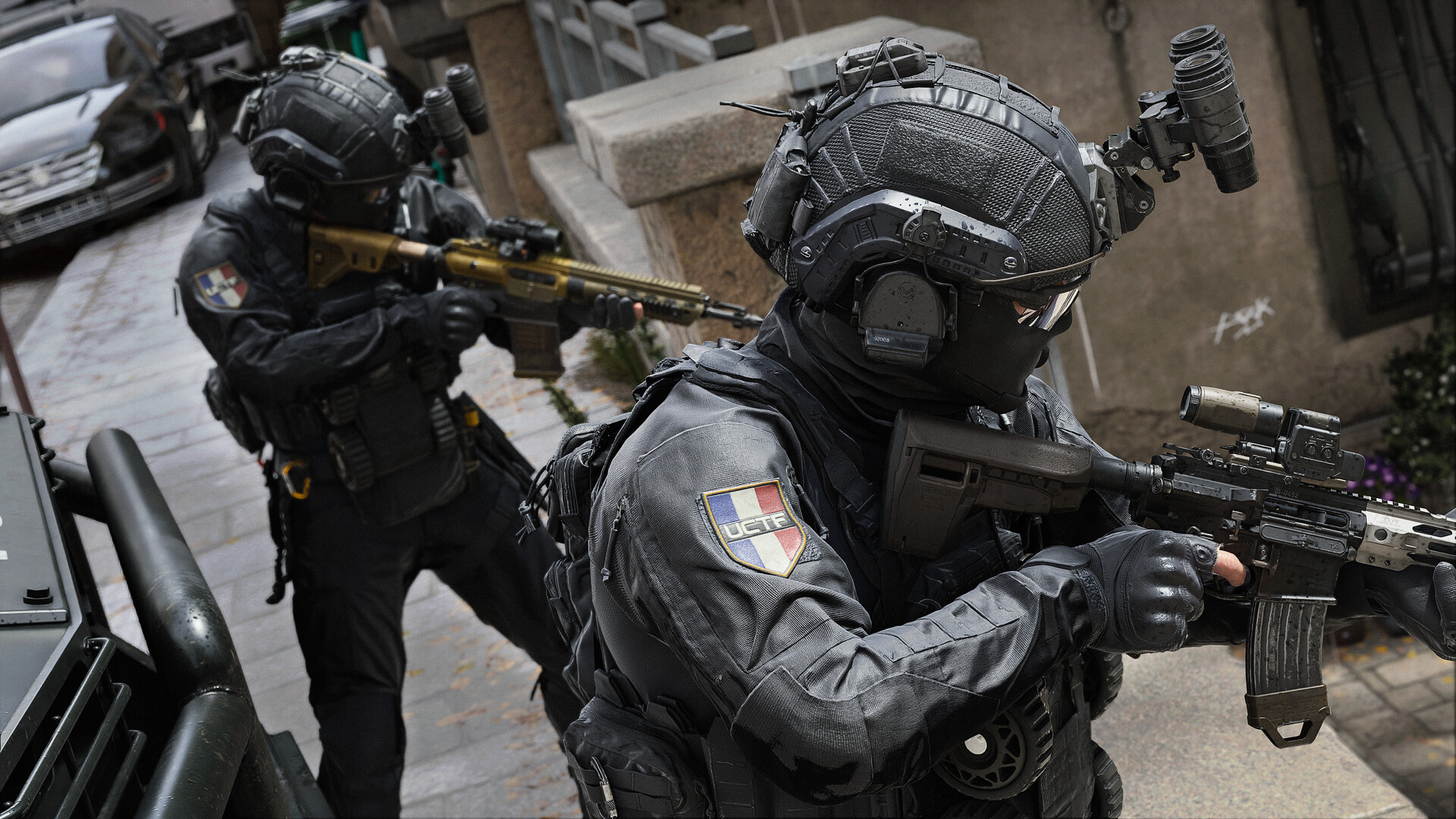
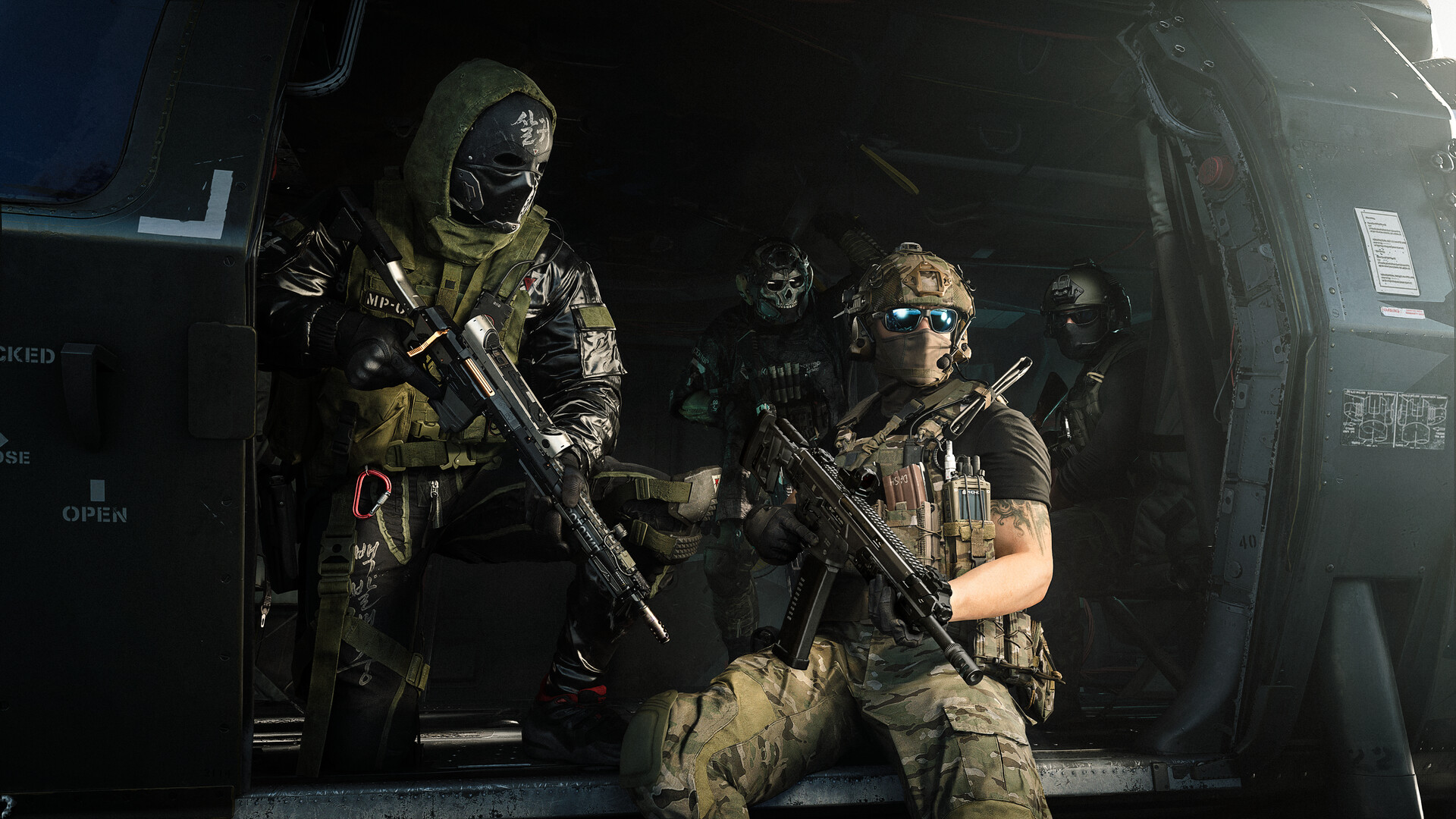
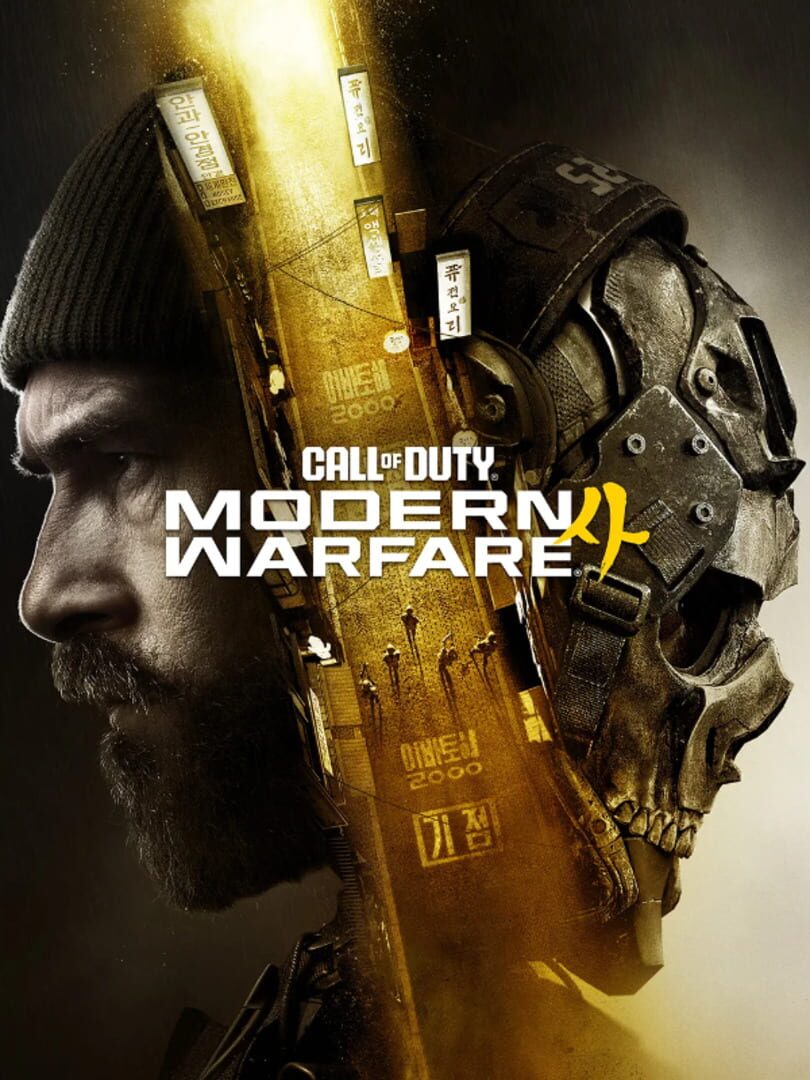
Alla vi som någon gång spelat online, vilket spel det än nu må vara, har såklart stött på fuskare. Det går liksom inte att undvika, särskilt inte idag. Folk fuskar som regelrätta dårar, i allt, och fuskindustrin har växt lavinartat de senaste 15 åren. Activision, vars spelserie är helt sabbat av det utbreda massfuskandet, menar att industrin i sig – att sälja fusk, omsätter många miljarder dollar varje år. 85 miljarder årligen, närmare bestämt. Vilket naturligtvis låter fullständigt sinnessjukt (men om några torde veta, så är det ju absolut Activision). I ett långt blogginlägg på Call of Duty.com har de nu skrivit om hur de avser att försöka stävja fuskproblemet i och med att Infinity Ward nu tar överstafettpinnen igen med Modern Warfare 4 (som släpps 23 oktober.
FUSK-PAPPA GOES HARD
Because cheating across the industry is sustained by vast, organized illicit networks, the RICOCHET Anti-Cheat team doesn’t approach the fight one account at a time. We confront the cheating business from multiple angles, targeting the infrastructure, distribution networks, and operators that keep the cheating economy alive. RICOCHET Anti-Cheat combines detections, account security, TPM 2.0 enforcement, deep investigations, and legal action to combat this market. Each layer targets a different part of the market: cheats and cheating behaviors, replacement accounts, hardware and evasion attempts, distribution networks, and the people operating them.
A February analysis by the threat intelligence platform Intorqa estimated that cheat subscriptions across 15 games generate roughly $3.5 billion annually. When adjacent industries — such as account sales, boosting, spoofing, and other services — are included, Intorqa forecasts the broader cheating economy at about $8.5 billion each year. Cheat developers sit at the top of the illicit marketplace pyramid.
Although some operate publicly, many deliberately hide behind intermediaries, using resellers and support teams to shield themselves from customers. They keep distance from direct sales, marketing, and distribution channels that would expose them. Below them, primary vendors move the products into the market. They sell cheats directly to customers and supply resellers who expand the reach of the operation.
Beneath that, layers of resellers push the same products through overlapping storefronts, communities, and distribution channels. #TeamRICOCHET tracks hundreds of these vendors. Developers can profit from a broad distribution network while resellers handle the customer-facing work that creates exposure. Sellers also create an illusion of endless variety. In reality, many “different” cheats are the same product wearing a different logo, name or storefront.
We've paired technical detection with sustained legal action to destabilize the cheat ecosystem at every level. We've disrupted more than 375 reseller operations, issued more than 80 cease-and-desist demands, and helped shut down 31 primary cheat vendors. Legal action directly attacks the revenue, payment channels, and business relationships that keep those operations running, making the business of cheating increasingly difficult to sustain. Players feel that impact when cheat providers go offline or a cheater can’t get back into a match. What may look like a random cheat outage or reseller disruption is often a sign of pressure moving through the cheating economy.
Cheat sellers often use marketing tactics and social posts to make their operations look stable, even when they are under significant pressure. We’ve seen cheat developers use social platforms to explain months of downtime with excuses like “the flu,” “surgery,” or a “car accident” rather than acknowledge their products were detected and no longer reliable."




Fler heta nyheter
 SPELNYHET
EA stänger ner Bioware, nya Mass Effect läggs ned
Vi kunde tidigare idag konstatera att över 10 000 (!) utvecklare världen över blivit av med jobbat trots att de senaste 12 månaderna varit de...
 SPELNYHET
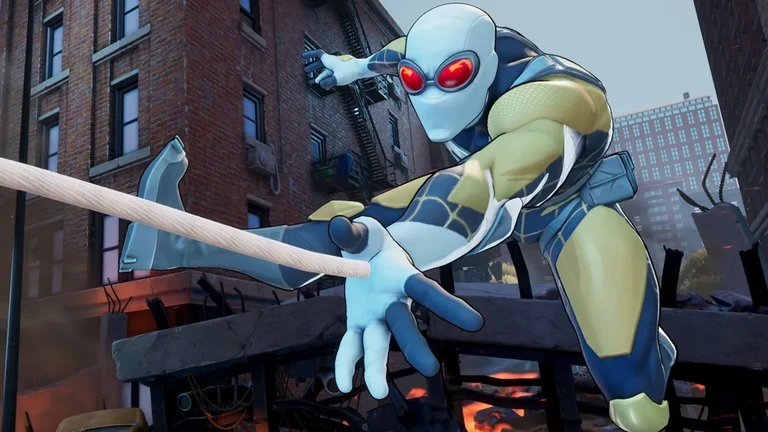
Agent Spider svingar sig in till Invincible VS i vinter
Det ser ut som att Invincible VS snart får sin alldeles egna version av Spider-Man. Under Evo France visade Skybound Games upp Agent Spider, som blir...
 SPELNYHET
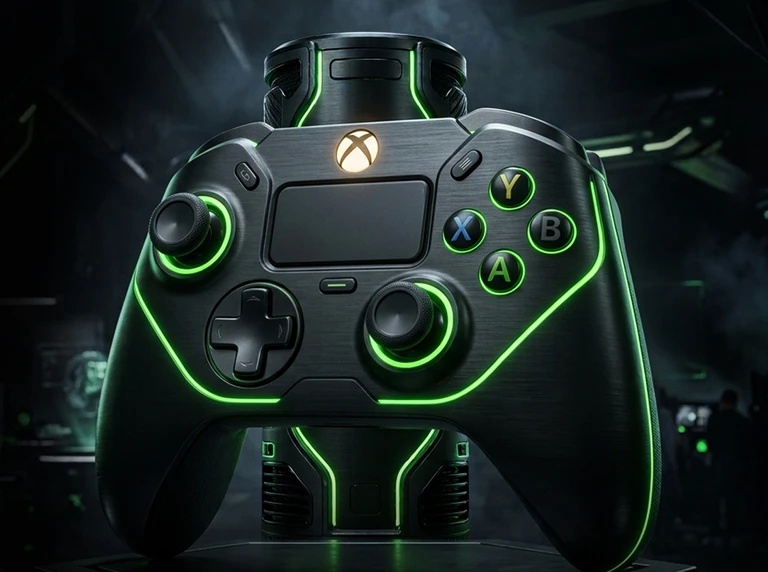
Xbox Helix kan komma att kosta 20 000 kronor
Vi vet ju sen flera år tillbaka att Microsoft arbetar för fulla muggar på nästa Xbox som sägs gå under arbetsnamnet Helix. Vi vet att det blir en...





Kommentarer (5)
Logga in för att kommentera.
Fuskande individer är vidriga jävlar.
Man har ju skrikit sig hes i så många år att det har gått så långt för mig att jag helt enkelt inte kör den typen av "VS" multiplayer alls längre. PVE med kompisar är det enda nu.
Man märker av detta i FPS spel främst... det har fullkomligen ballat ur totalt... BF6 har samma problem med massfuskande!
Så sjukt tråkig utveckling. Trodde ändå att det blivit bättre med åren (upplevelsen är sådan i alla för egen del).
Dom är säkert som Antivirus företagen. Dom planterar skiten själv för atttjäna pengar. Varför går man inte åt det annorlunda med alla alternativ som finns idag #person id#bankid